Last updated:
Learn what an SMSF is and what's involved in running one.
What is a self-managed super fund?
Self-managed superannuation funds (SMSFs) are super funds privately operated by the members, who are also trustees, and require higher levels of care and responsibility.
Unlike retail or industry super funds, you or any other trustees are responsible for running the fund, making decisions about the fund, and making sure the fund remains compliant.
How running an SMSF actually works
With an SMSF, your super contributions are paid into your own fund instead of a retail or industry fund.
You decide:
- where and how the money is invested
- what insurance the fund holds.
An SMSF can have up to 6 members. Generally, each member must be a trustee or a director of a corporate trustee. In either case, the trustees are responsible for running the fund and making sure it meets super and tax laws.
Running your own super fund can sound appealing. But it takes time, effort and skill. Only consider an SMSF if you understand the role and are ready to stay involved.
High-pressure sales tactics are putting your super savings at risk. Be on red alert for phone calls, click bait advertising (especially on social media) and promises of unrealistic returns to encourage you to put your super into risky investments. Stop, think carefully, and check the claims first.
Read the investor alert and our tips on how to protect your money.
The risks and responsibilities of SMSFs
Generally, all SMSF members are trustees of the fund, which means they share responsibility for the fund and its decisions. This also means sharing the risks.
Key things to know:
- If the fund loses money through theft or fraud, you will not have access to government compensation that applies to industry or retail super funds.
- Trustees are always legally responsible for the fund's decisions, even if you use an adviser, accountant or lawyer. This includes decisions made by other trustees, even if you're not involved in making the decision.
- Investment returns depend on decisions made by the trustees.
- Life changes, such as illness, relationship breakdown, death or moving overseas can add complexity and affect how trustees manage and control an SMSF. These may also lead to the need to wind-up the SMSF.
- Moving to an SMSF may mean losing insurance you had with another super fund. See consolidating super funds.
- Complaints cannot be lodged with the Australian Financial Complaints Authority (AFCA) against SMSFs. SMSF trustees can lodge complaints against third-party financial firms that provided them with financial advice or services.
The Australian Taxation Office (ATO) has more information on SMSF trustee responsibilities.
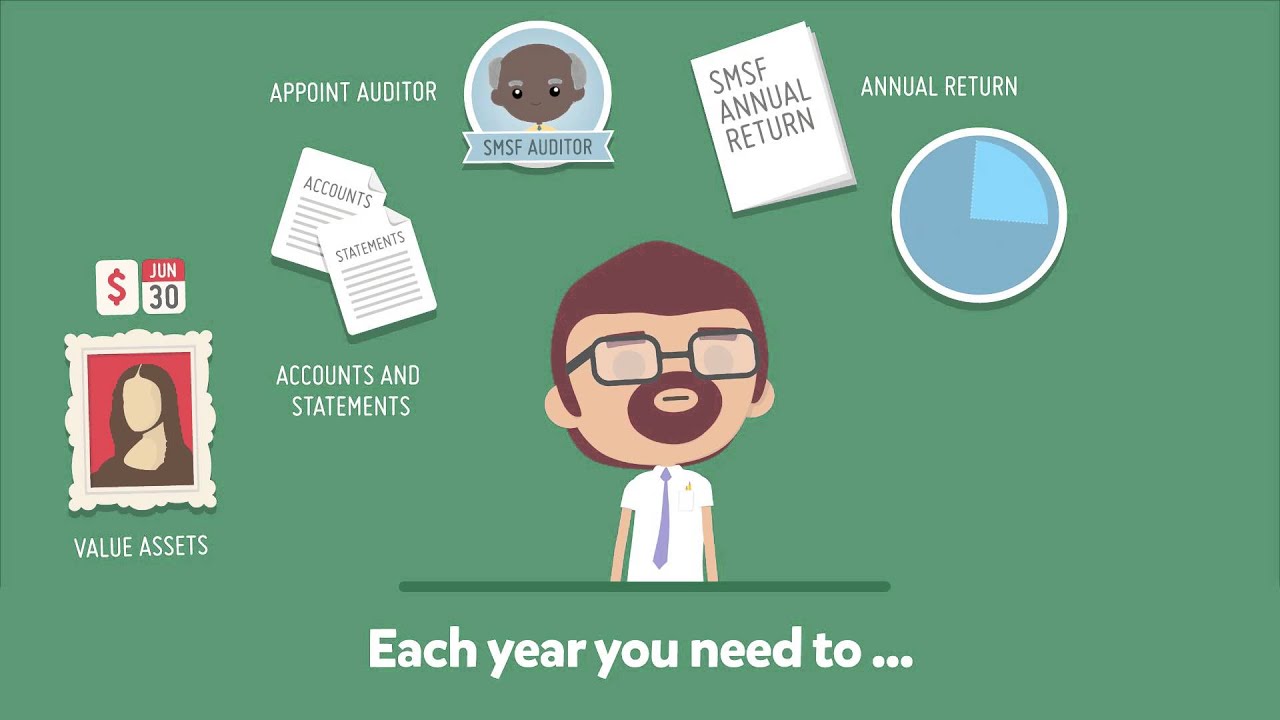
What's involved with an SMSF
The Australian Taxation Office (ATO) explains your responsibilities.
SMSFs take time and money
Managing an SMSF takes ongoing effort, even with professional help.
You need time to set up the fund, and then time to:
- set and review an investment strategy
- research and review investments
- consider the need for the fund to hold insurance cover for members
- keep up to date with super and tax laws, and make sure your SMSF complies with any changes
- keep records and organise audits.
SMSF trustees spend on average more than 8 hours a month managing an SMSF. That's more than 100 hours a year. (Source: SMSF Investor Report, April 2021, Investment Trends)
Set-up and running costs
SMSFs can be expensive to set-up and run. In some cases, they can cost more than retail and industry funds.
Common ongoing costs can include:
- investment fees
- accounting and tax services
- auditing
- tax advice
- legal or financial advice
- insurance premiums
- Annual Supervisory Levy (paid to the ATO)
- annual corporate fees (if you have a corporate trustee)
- actuarial fees (in some cases).
Ongoing costs will generally be paid out of the fund, and will often be tax deductible for the fund.
You need financial and legal knowledge
SMSF members need a good understanding of money and the law.
You should feel confident to:
- set and manage an investment strategy that suits all members' risk and retirement goals, including maintaining a well-diversified portfolio
- follow tax, reporting, audit, super and investment laws
- consider the need for the fund to hold insurance cover for fund members.
Be wary of anyone who offers to set up an SMSF to withdraw your super to pay off debts. It's likely to be illegal. See superannuation scams.
SMSF starting balance
The starting balance of an SMSF is one of a range of factors you should consider when setting up an SMSF, because this is relevant to the cost-effectiveness of the fund. The lower the SMSF's starting balance, the greater the impact of fixed costs on your overall returns.
However, when deciding whether to set up an SMSF, you should also focus on whether it suits your goals, skills and time, and consider whether you expect to add to your fund's balance in the near term.
These case studies can help you decide what might suit your situation.
When a SMSF might be suitable for you
An SMSF may suit you if:
- you have the time and ability to be actively involved in managing your super
- you understand and accept your responsibilities as a trustee
- you are not planning to move overseas, or understand the implications
- want more control over investments, payments or fund management
- have considered alternative arrangements that might provide some of the benefits of an SMSF
- the fund supports your retirement goals
- the costs make sense in your circumstances.
The ATO has information about SMSF expenses by fund size.
If you want to set up an SMSF
If you are 100% sure about managing your own super fund, start researching investment options. Also consider getting advice from a registered financial adviser.
Research your investment options
Having more control and choice over investments is a key reason people choose SMSFs.
However, there are strict rules about what SMSFs can invest in. Check the ATO's restrictions on investments.
It's useful to also know, many retail and industry funds offer investment choice without the work of running an SMSF. See super investment options.
Get professional advice
Professionals such as auditors, accountants and lawyers can help, but their advice may be limited.
A registered licensed financial adviser can help you decide if an SMSF is right for you. They can also help you to set up and run the fund, choose a trustee structure, and understand your legal obligations.
They should clearly explain why an SMSF suits your situation, along with the risks, costs, any benefits you may lose, and the time and skills required to manage it.
To set up your SMSF
The ATO regulates all SMSFs.
The self-managed super funds section of the ATO website explains what you need to do to set up a fund.
You can choose between:
- individual trustees
- a corporate trustee.
The ATO has more information about the obligations for each structure.
Join thousands of Australians and get tools, tips and calculators to help with your money - straight to your inbox each month.
Sign up