Last updated:
With many lenders to choose from, you may decide to get help from a mortgage broker. They may be able to assist in asking the right questions to get a home loan that meets your needs and is value for money.
What mortgage brokers do
A mortgage broker is a go-between who deals with banks and other lenders to arrange a home loan. Mortgage brokers must act in your best interests when suggesting a loan for you.
A broker works with you to:
- Understand your needs and goals.
- Work out what you can afford to borrow.
- Find options to suit your situation.
- Explain how each loan works and what it costs (for example, interest rate, features and fees).
- Help you apply for the loan and manage the process through to settlement.
How to find a mortgage broker
You can find a licensed mortgage broker through:
- recommendations from people you know
- a mortgage broker professional association
Before meeting with a broker, make sure they have a licence to give you credit (loan) advice, or are a representative of a licensee.
Search the following lists on ASIC's Professional Registers Search:
- Credit Representative
- Credit Licensee
To search, choose the list name in the 'Select Register' drop-down menu.
‘Mortgage brokers can play a critical role in helping Australians make one of the most significant financial decisions of their lives.
‘More than 80% of home loans are now arranged through mortgage brokers. With that level of influence comes an obligation to act in consumers’ best interests when recommending a loan.’
ASIC Commissioner Alan Kirkland
Meeting with a mortgage broker
Before you see a broker, think about what matters most to you in a home loan. Do you simply want the lowest cost loan? Do you want specific features, such as being able to make extra repayments, or a mortgage offset account?
Thinking about this beforehand will make the conversation with your broker easier. Make a list of your:
- 'must-haves' (can't do without)
- 'nice-to-haves' (could do without)
See choosing a home loan for advice on what to consider.
When you meet with the broker, bring your list of must-haves and nice-to-haves.
The broker should present you with more than one option. Get them to explain how each loan option works, what it costs and why it's in your best interests.
You don't have to take the first loan you're offered. If you are not happy with any option, ask the broker to find alternatives. You may have a preference for a particular lender, such as your current bank. The broker should show you loans from other lenders as well, so you can compare.
A home loan is a long-term debt, so even a small difference in the overall cost of the loan adds up over time. If you can get a lower-cost loan from another lender, you could save thousands of dollars. Learn how to step through the costs and considerations when you compare home loans.
Questions to ask your mortgage broker
Ask plenty of questions, including:
- Do you offer loans from a range of different lenders? What sort of lenders do you work with? What kind of lenders can't you access?
- How do you get paid for the advice you're giving me? Does this differ between lenders?
- Why did you recommend this loan to me? Why is this loan in my best interests?
- What fees will I have to pay when taking out this loan?
- What features (options) come with this loan? Can you show me how they work?
- How do the fees and features of this loan affect how much the loan will cost me?
- Can you show me a couple more options, including one with the lowest cost?
- What is the threshold for lender's mortgage insurance (LMI) and how can I avoid it?
How mortgage brokers get paid
Lenders generally pay mortgage brokers a commission for distributing their products, so you don't pay them directly. The commission paid is a percentage of the loan amount and typically has both an upfront and ongoing payment. Brokers must provide you information about the commissions they may receive.
Sometimes brokers might charge you a fee directly. Where they do, they should clearly communicate this to you and set out the proposed fee in a written quote. You must sign a quote before a broker can provide services and request payment of a fee. A broker is not entitled to request payment of a fee prior to providing their services.
If a broker proposes to charge you a fee directly and you're not sure whether you're getting a good deal, ask around or look online to see whether other brokers charge fees for similar services, and if so the amount of those fees.
If you have problems with a mortgage broker
If you're unhappy with the loan advice you've received or fees you've paid, there are steps you can take.
The first step is to talk to your broker. Explain the problem and how you'd like it fixed.
If the problem isn't fixed, make a complaint to your broker's business in writing. See how to complain for help with this.
If the problem is still not resolved, contact the Australian Financial Complaints Authority to make a complaint and get free, independent dispute resolution.
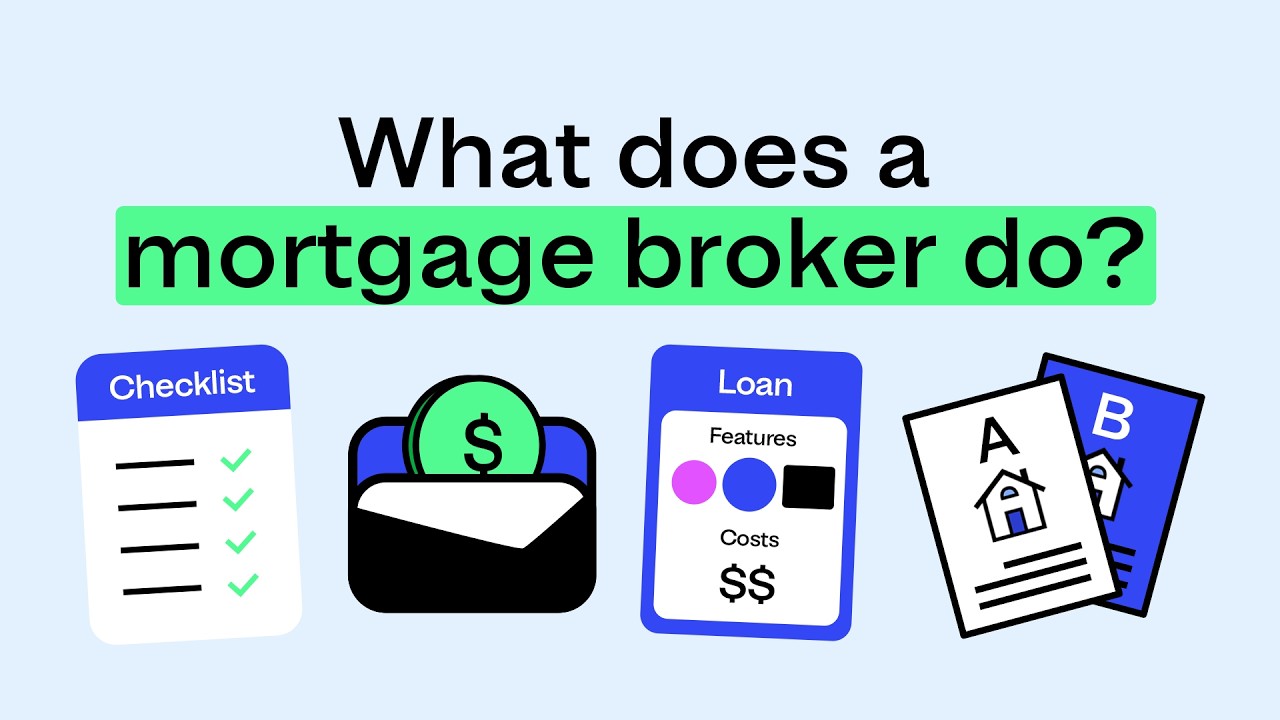
What a mortgage broker does
Join thousands of Australians and get tools, tips and calculators to help with your money - straight to your inbox each month.
Sign up